In my last post, I talked about how cool exoplanets are, and how we can find them, and look for life there. But there is a small possibility that we wonโt have to travel so far to find life. Although unlikely to be intelligent life, there are some locations that NASA has highlighted, and plans… Continue reading Astrobiology 103: Looking for life closer to home
Category: Physics
Astrobiology 102: How to find the aliens?
Despite the fact that my last post might have made it seen that chances of finding life are pretty minute, people are still looking! And no, I donโt mean the people who are sure aliens have already visited us (Although if they did manage to find concrete evidence, that would be pretty awesome!) Organisations like… Continue reading Astrobiology 102: How to find the aliens?
Astrobiology 101: Where are all the Aliens?
Terms and Conditions Apply. The Milky Way is over 100,000 light years across. Thatโs a whole lot of football pitches! It has at least 100 billion stars (with some estimates reaching all the way to 400 billion!) and the range in estimates for the number of planets in the galaxy is from โjustโ 50 billion… Continue reading Astrobiology 101: Where are all the Aliens?
Should We Go To Space?
If you were given the chance to go to space, would you? For many, including myself, it would be a truly amazing opportunity. But a question asked more rarely is: Should you? In 2019, the US government gave NASA 21 and a half billion dollars to spend. Sounds like a lot of money. And in… Continue reading Should We Go To Space?
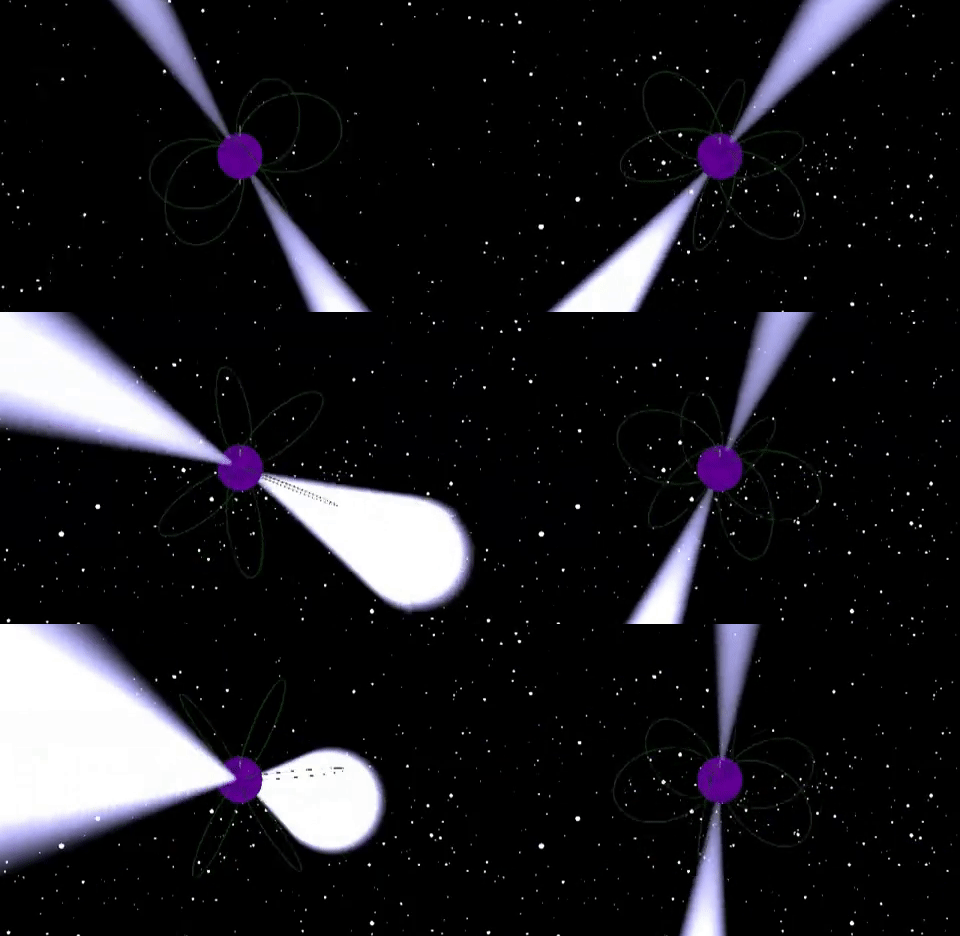
Spectacular Scientists: Dame Jocelyn Bell Burnell
Born in Ireland, Jocelyn Bell Burnell was interested in science from a young age despite her first school not initially permitting girls to study science. Fortunately, her parents supported her interest, and she attended boarding school in England, where her physics teacher persuaded her to continue to University. After an undergraduate in physics from Glasgow,… Continue reading Spectacular Scientists: Dame Jocelyn Bell Burnell
How to Survive Spaceflight
โTo Mars!โ As both Government Space Agencies and Private Companies turn their attentions to long-haul spaceflight, plenty of problems have arisen! It isnโt just the logistics of living on the moon and mars, but getting there has provided its own plethora of difficulties to be solved! I have already written a post about the spacecraft… Continue reading How to Survive Spaceflight
Who was Rosalind Franklin?
A chemist, a physicist, a biologist: Rosalind Franklin was a truly inspiring woman, who- as you may notice is a recurring theme in the lives of historical female figures- went against the odds to strive for a career in science, despite the sexist beliefs of not just society, but also her fatherโs and lab partnersโ.… Continue reading Who was Rosalind Franklin?
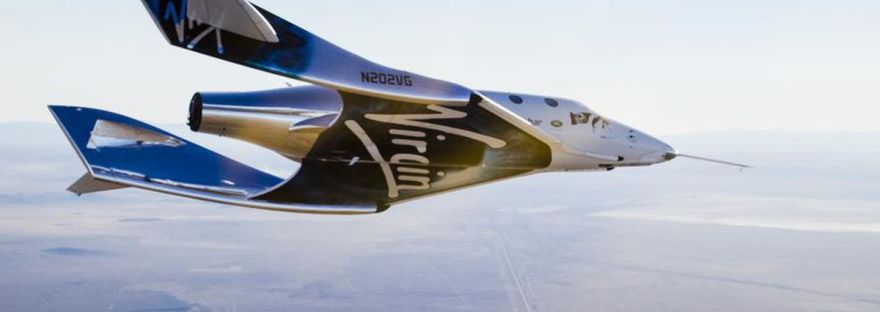
The Future of Human Spaceflight
It is an exciting time for space travel! Preparations for NASAโs Space Launch System (SLS) is well underway, multiple space agencies have announced their cooperation for the Lunar Orbital Gateway, and private companies are competing to launch the first tourists commercially! Letโs take a look at some of the awesome projects that will almost certainly… Continue reading The Future of Human Spaceflight
What is a Human?
Part One: The Science Humans seem pretty important, I mean, for a start itโs the only *intelligent* life form we know ofโฆ actually, intelligent is the wrong word: you could consider many animals intelligent- some use tools, some have complex mating rules, some have complex societies, some can even do basic maths and โtalk backโ… Continue reading What is a Human?
What Makes Up The Universe? Part Two
Part 2: The Unknown When you think of what makes up the universe, you will probably think of atoms. Sure, they are the building blocks to most things we see around us, but as we discovered in a previous post, atoms arenโt the end of the story. It turns out that all the things that… Continue reading What Makes Up The Universe? Part Two